Skip to content
3-Axis CNC Machining

3-Axis CNC Machining

Three-axis machining for prismatic parts — plates, brackets, covers and pockets — with the fastest cycle times and the most predictable cost.

Tolerance
±0.01 mm typical
Best fit
Prismatic parts machined from one direction per setup
Cost
Lowest machining cost per part of the milling options
Lead time
From 5 working days

How we hold this quality

Single-direction geometry

Ideal for plates and covers where features are reached from the top and bottom faces, keeping the number of setups low.

Repeatable second operation

Flipping the part is planned with a matched fixture so holes and profiles stay aligned between the two sides.

Efficient for batch work

Because the fixtures are simple and rigid, three-axis machining runs short cycle times and holds consistent results across a batch.

Cost transparency

If a design can be produced in three axes, we will say so in the quote — multi-axis machining should be reserved for geometry that needs it.

Most custom parts are still best made in three axes. If the features can be reached from the top and bottom faces, three-axis machining gives the shortest cycle time, the simplest fixtures and the most predictable price.

Typical parts

Mounting plates and adapter plates, enclosures with a machined face, brackets and gussets, cover panels with cut-outs and counterbores, heat sinks with slot patterns, and prototype housings that have not yet been optimised for tooling.

Keeping costs down

  • Use standard stock thicknesses so the part needs less material removal.
  • Avoid very small internal radii — they force small cutters and slow the cycle down.
  • Keep thread depths sensible and use standard thread sizes.
  • Group similar parts in one order so setup time is shared.

If the geometry needs machining from several directions, the part is usually better made on a 4-axis or 5-axis machine — which we will recommend during the engineering review rather than quoting a more expensive process than necessary.

Process & part gallery

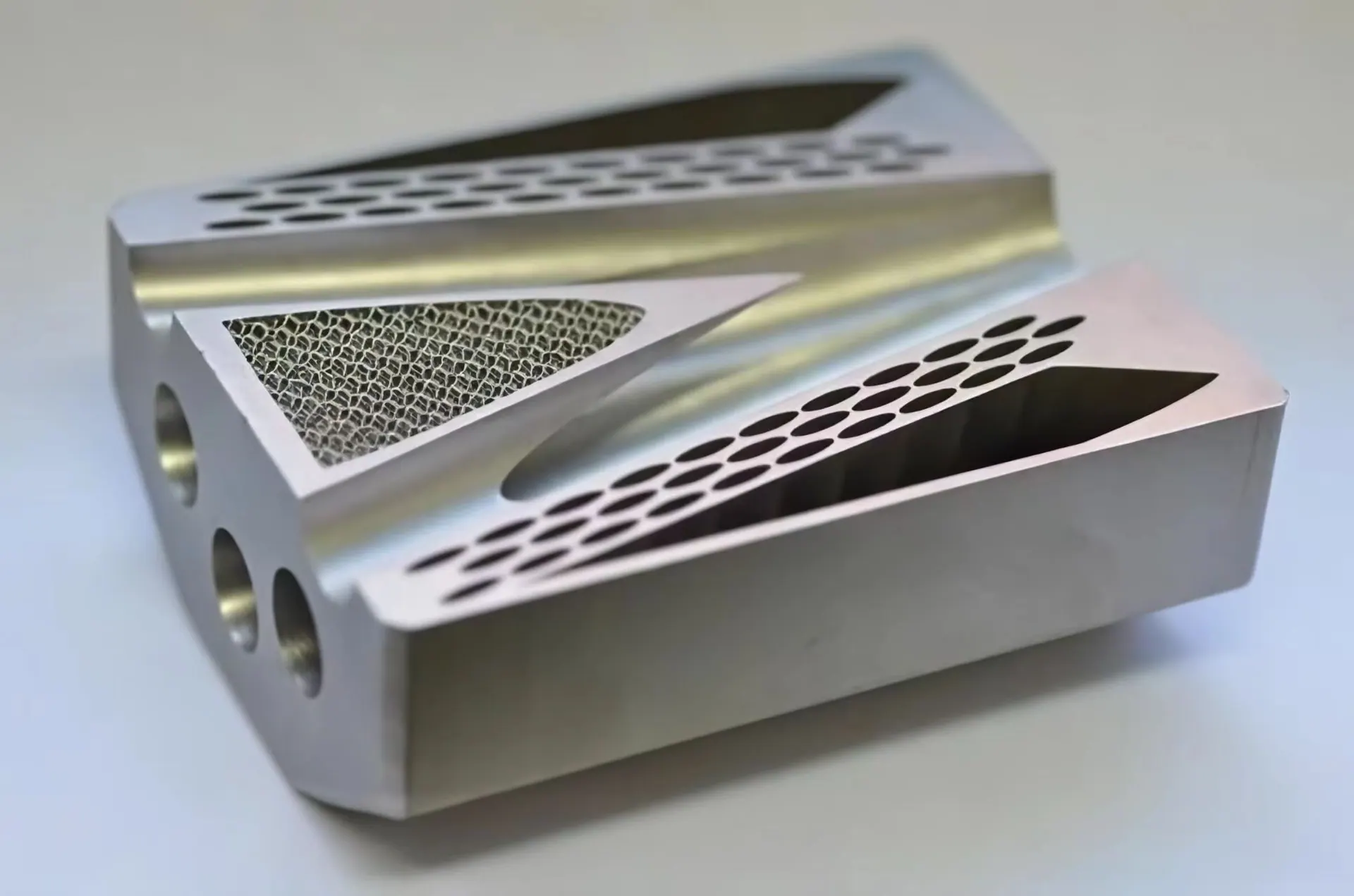
Machined block with perforations and stepped pockets
Prismatic machined parts
Brackets produced as machined parts

How it works

From drawing to delivered part

  1. 1

    Send drawings

    Upload STEP, IGES, DXF or PDF files with material, quantity and finish.

  2. 2

    Engineering review

    We check manufacturability, tolerances and finish for this process.

  3. 3

    Quote and approve

    You receive unit price, lead time and any design questions in writing.

  4. 4

    Produce & inspect

    Manufacturing runs against an agreed inspection plan.

  5. 5

    Ship and support

    Parts are packed, documented and shipped, with support for revisions.

FAQ

3-Axis CNC Machining — frequently asked questions

When should I move from 3-axis to 4- or 5-axis machining?

When the part has features that cannot be reached from the top or bottom without a third or fourth setup, or when several setups would put accuracy at risk. Send the model and we will tell you which axis configuration it actually needs.

Are deep pockets a problem?

Deep pockets are machinable but need smaller cutters and longer cycle times, and they may need a different toolpath to clear chips. A pocket depth beyond about four times the cutter diameter is where the cost starts to climb.

Can you machine both sides of a part?

Yes. Flipping is standard practice, and we use matched fixtures or machined soft jaws so the second side references the first accurately.

Start a project

Request a 3-axis cnc machining quotation

Upload your CAD files with the material, quantity and finish. Our engineers will review the drawing and reply with pricing and lead time.