Skip to content
Sheet Metal Welding

Sheet Metal Welding

MIG and TIG welding for frames, brackets and enclosures, with weld dressing and distortion control on visible and load-bearing joints.

Processes
TIG for thin and cosmetic joints, MIG for frames and heavier sections
Materials
Steel, stainless steel, aluminium
Distortion control
Fixtured assembly with balanced weld sequence
Documentation
Weld procedure and inspection on request

How we hold this quality

Fixtured assemblies

Weldments are built in fixtures so that hole patterns, diagonals and mounting faces stay where the drawing puts them after the joint cools.

Cosmetic dressing

Visible welds can be dressed, blended and linished so the part finishes cleanly after powder coating, painting or anodizing.

Distortion management

Tack sequence, weld direction and heat input are planned to keep long joints straight and flat frames square.

Leak-tight work

Where a weldment has to hold fluid or gas, joints are prepared and tested as an inspected operation rather than a general statement.

Welding is where a fabricated part either comes together or drifts out of square. Fixturing and weld sequence matter as much as the welding itself.

Typical weldments

Equipment frames and machine bases, enclosure shells and chassis, mounting brackets, guards and covers, tanks and simple pressure-tight boxes, and stainless steel parts for food, medical and clean-environment equipment.

Planning the joint

We agree the weld type, whether the joint is visible, and what has to be flat or square afterwards. Heavier sections are usually MIG welded for deposition rate; thin and cosmetic joints are TIG welded for control. Where the part matters structurally or hygienically, we agree the inspection method up front rather than after fabrication.

Process & part gallery

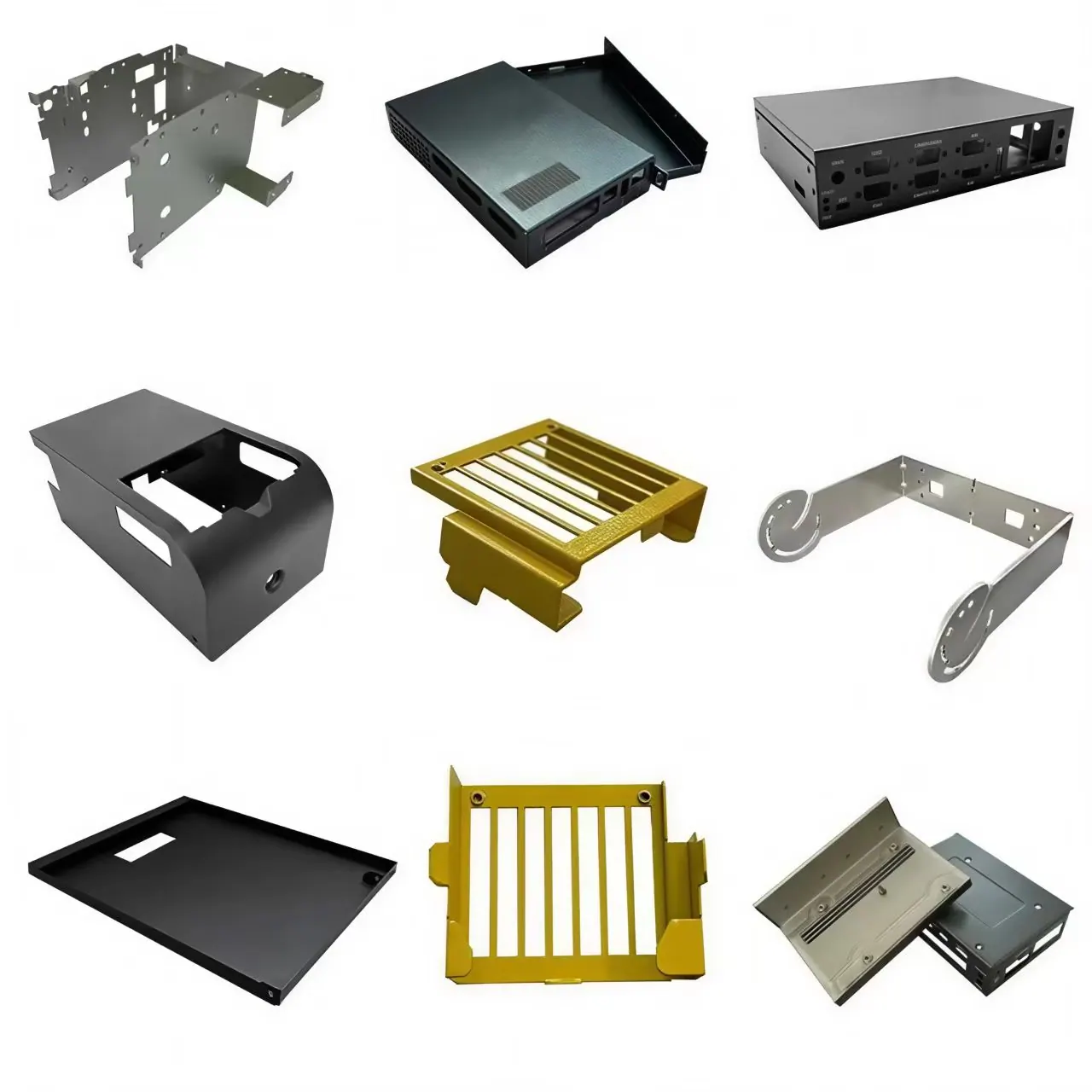
Welded and formed brackets
Fabricated enclosures with welded corners

How it works

From drawing to delivered part

  1. 1

    Send drawings

    Upload STEP, IGES, DXF or PDF files with material, quantity and finish.

  2. 2

    Engineering review

    We check manufacturability, tolerances and finish for this process.

  3. 3

    Quote and approve

    You receive unit price, lead time and any design questions in writing.

  4. 4

    Produce & inspect

    Manufacturing runs against an agreed inspection plan.

  5. 5

    Ship and support

    Parts are packed, documented and shipped, with support for revisions.

FAQ

Sheet Metal Welding — frequently asked questions

Should I design a welded part or a bolted one?

Welding gives a stiffer, cleaner part and fewer fasteners; bolting allows disassembly and avoids heat distortion. If the part is large and flat, bolting or riveting often holds flatness better than welding.

How do you keep a welded frame square?

By welding in a fixture with the part clamped against datums, tacking in a balanced sequence and allowing the assembly to cool in the fixture before final welding and release.

Can you weld stainless steel for a hygienic application?

Yes — with full penetration where required, dressed and polished joints, and post-weld passivation to restore corrosion resistance. Send the acceptance criteria and we will plan to them.

Start a project

Request a sheet metal welding quotation

Upload your CAD files with the material, quantity and finish. Our engineers will review the drawing and reply with pricing and lead time.